

India has a luxury problem: too many world-class players and too few spots on the team sheet. As the national team prepares to host New Zealand in a highly anticipated Test series starting late October 2026, the selectors face a familiar but increasingly complex set of headaches. Playing at home is usually a source of comfort for India. However, the sheer depth of the current red-ball talent pool means every squad announcement triggers intense debate. With World Test Championship points on the line, the team management cannot afford sentimentality. They need the perfect balance.
The Spin Quartet Conundrum
In Indian conditions, spin is the ultimate weapon. But how do you fit four elite spinners into three spots, or sometimes just two? Ravichandran Ashwin and Ravindra Jadeja have been the twin pillars of India’s home dominance for over a decade. Yet, as both legends enter the final chapters of their stellar careers, the team management must plan for the transition. They have to blood younger talent without compromising on immediate results.
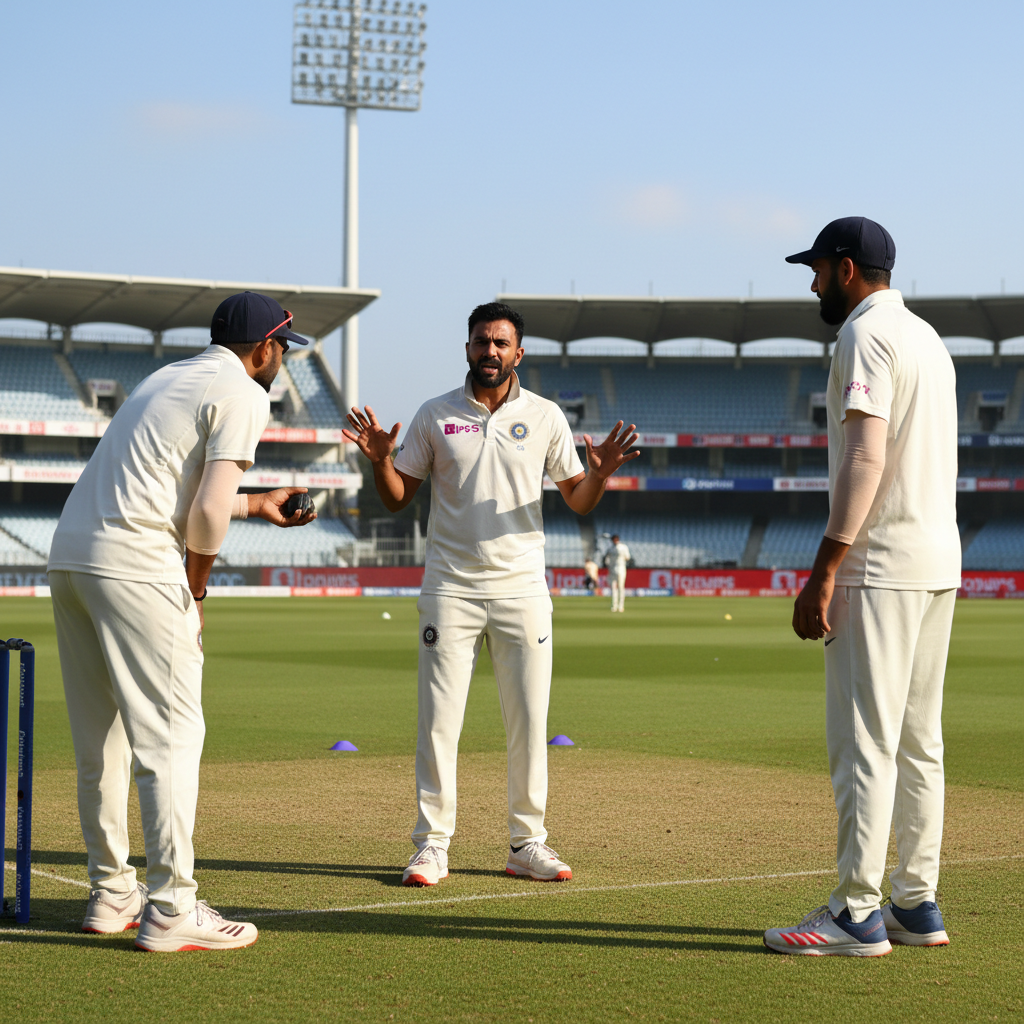
Kuldeep Yadav offers a wrist-spin variation that is notoriously difficult to pick, especially on wearing day-three pitches. Then there is Axar Patel, whose dead-straight arm balls on turning tracks have haunted visiting batters for years. If India opts for a traditional three-spinner attack, one of these four must sit out. Dropping Axar feels harsh given his incredible utility with the bat down the order. On the other hand, leaving out Kuldeep deprives the attack of genuine mystery. It is a tactical tightrope that the captain and coach will have to walk with extreme care.
The Battle for the Middle Order
Further up the order, the competition is just as fierce. Yashasvi Jaiswal has firmly established himself at the top of the order, and Shubman Gill seems settled at number three. Virat Kohli remains the undisputed anchor at number four. This leaves the number five and six positions as the main battlegrounds for the batting group.
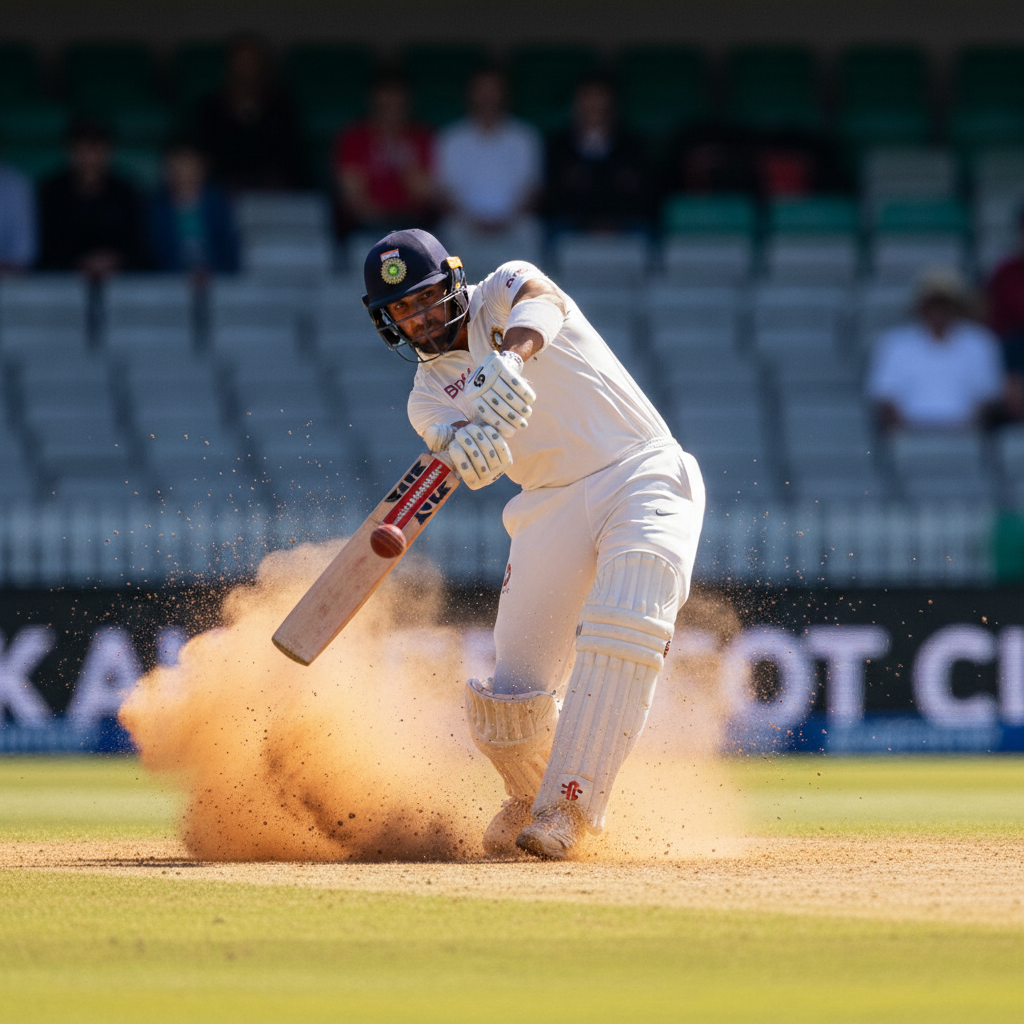
Sarfaraz Khan’s appetite for massive scores in domestic cricket has translated well into the Test arena, making him incredibly hard to ignore. His sweeping ability against spin is a massive asset on subcontinental wickets. On the other side of the ledger, KL Rahul’s class and international experience keep him firmly in the mix. Rahul can play the long game, but his form has occasionally lacked the consistency that selectors crave. With youngster Dhruv Jurel also pushing for a spot after some gritty performances, the middle order has become a puzzle with too many pieces.
Pant’s Burden and the Pace Rotation
Rishabh Pant remains the first-choice wicketkeeper-batsman, a true match-winner who can turn a game in a single session. However, his heavy workload across all three formats is a constant worry. Dhruv Jurel’s technical competence behind the stumps and composure with the bat make him an excellent backup option. If the team management decides to play Pant purely as a specialist batter to ease his physical burden, Jurel could easily take the gloves. But doing so would alter the entire team balance, likely costing the team an extra bowler.
Meanwhile, the fast-bowling department requires smart rotation. Jasprit Bumrah is a generational talent, but he cannot play every single game in a grueling home season. With major overseas tours looming on the horizon, managing his overs is crucial. This gives Mohammed Siraj a leading role, while the backup spots are fiercely contested. Akash Deep has shown immense promise with his relentless accuracy and ability to extract reverse swing. Alongside him, the selectors will look closely at younger prospects to see who can provide that extra burst of pace when the ball stops doing much in the afternoon heat.
Looking Ahead to the Kiwi Challenge
New Zealand is never an easy opponent. They possess a disciplined bowling attack and batters who know how to grind out tough sessions. The last time they toured India, they showed plenty of fight. For India, this series is not just about winning on home turf. It is about establishing a sustainable template for the next generation of Test cricket. The decisions made in selection meetings over the coming weeks will shape the team’s trajectory for the rest of the championship cycle. Getting the balance right is paramount, and the selectors have some sleepless nights ahead of them.