
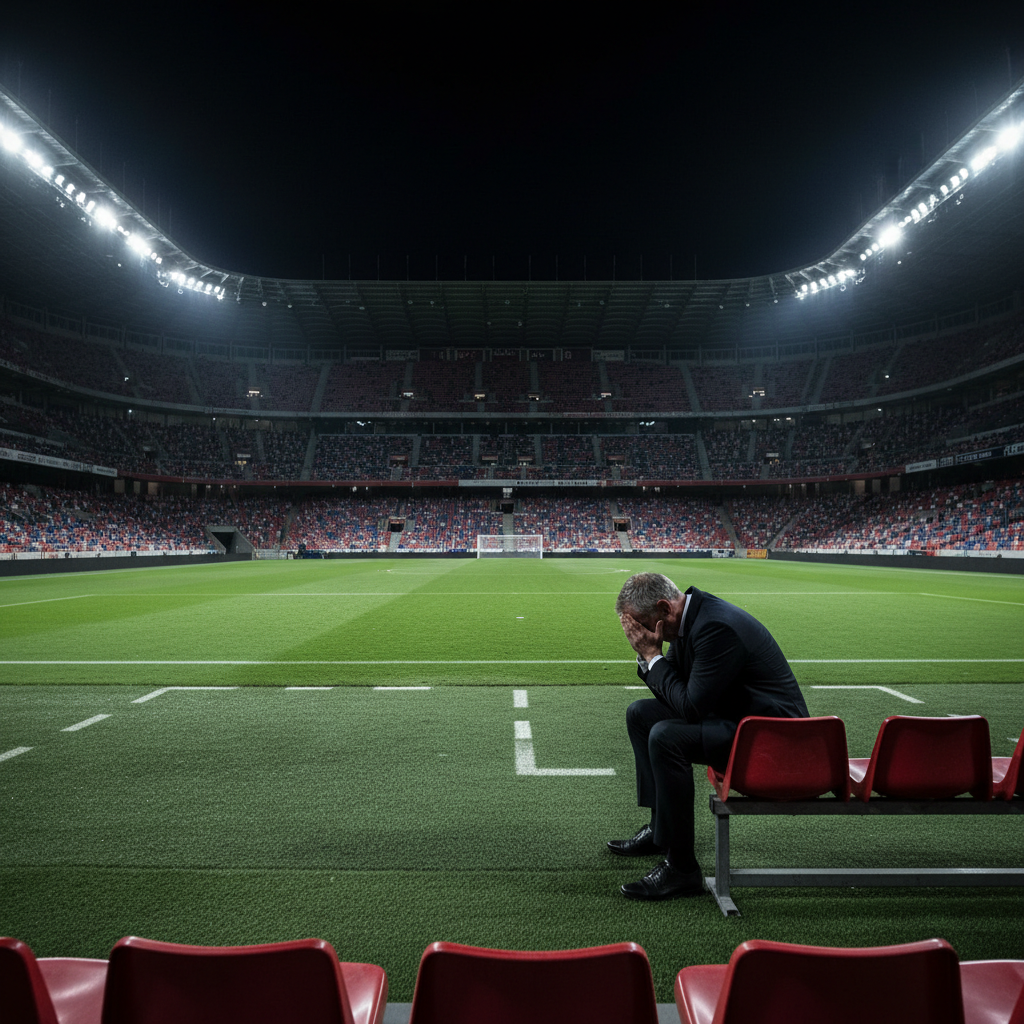
The modern football calendar does not bend. It breaks. As Europe’s elite prepare for Matchday 3 of the newly expanded Champions League, managers are no longer just staring at tactical whiteboards. They are staring at medical charts. The line between sporting glory and physical exhaustion has never been thinner.
The Pressure of the New Swiss Model
With the new 36-team single-league phase, the luxury of resting stars has evaporated. In previous years, a powerhouse club might secure qualification to the knockout stages by Matchday 4 and field their academy players for the remaining group games. Not anymore. Under the new format, goal difference and every single point dictate whether a team finishes in the top eight to bypass a risky knockout playoff round in February. Every match is played at playoff intensity.
This means managers cannot afford to rotate their starting lineups heavily. They are forced to field their best players week in, week out. The human cost of this structural shift is becoming painfully obvious.
The Casualties of the Schedule
We are already seeing the fallout. Rodri, the midfield anchor for Manchester City and Spain, suffered a season-ending ACL tear. Just days before his knee buckled, he warned that players were close to striking over the bloated match schedule. His injury felt like a grim prophecy fulfilled. Pep Guardiola now has to patch up a midfield without its most vital cog while keeping his team competitive across multiple competitions. Against Sparta Prague this week, Guardiola faces a familiar dilemma: rest key players and risk a slip-up, or play them and risk another catastrophic injury.
Arsenal is facing a similar crisis. Mikel Arteta has had to navigate crucial fixtures without captain Martin Ødegaard, while Bukayo Saka’s fitness remains a constant source of anxiety. Arteta’s squad depth is being tested to its absolute limit. While the Gunners host Shakhtar Donetsk—a match they should comfortably win on paper—fatigue makes every opponent dangerous.
Tactical Chess on the Continent
The situation is equally tense across Europe. Real Madrid hosts Borussia Dortmund in a high-stakes rematch of last season’s final. Carlo Ancelotti has historically favored a stable starting eleven, rarely rotating unless absolutely forced. But with Kylian Mbappé recovering from muscular issues and Jude Bellingham playing through shoulder discomfort, the Italian manager must find a way to preserve his stars. Madrid cannot afford another slip-up after their shock defeat to Lille on Matchday 2.

Meanwhile, Barcelona travels to Germany to face Bayern Munich. Hansi Flick has leaned heavily on youth, blooding teenagers from the famed La Masia academy to cope with injuries to key players like Gavi, Frenkie de Jong, and Ronald Araújo. While these youngsters have thrived in domestic play, the Champions League is a different beast altogether. Flick must decide if his teenage prodigies can handle the physical intensity of a Bayern Munich side that thrives on high-pressing, physical football.
How Managers Are Coping
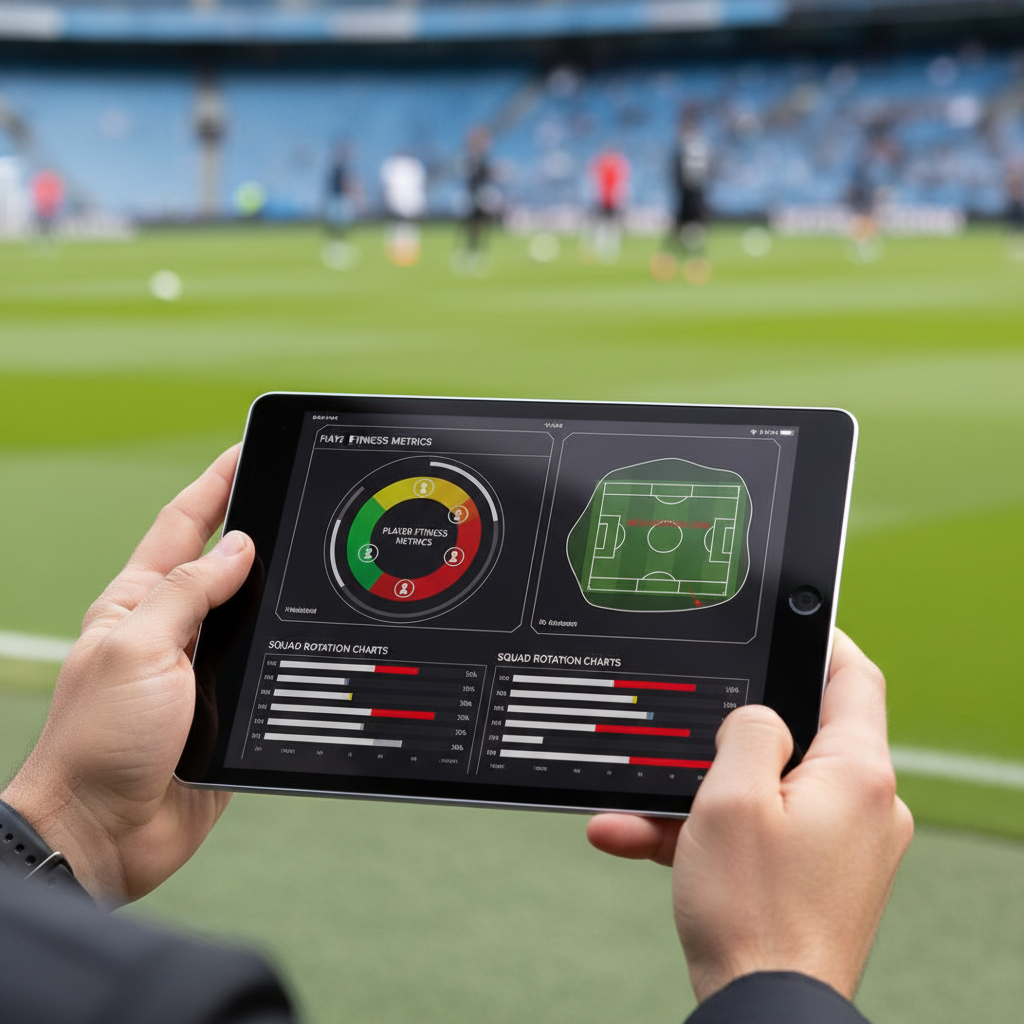
To survive this relentless season, clubs are turning to science. Backroom staffs are working overtime, monitoring a wide array of physiological metrics to keep players on the pitch.
- Managers are using saliva samples to check for hormone levels that indicate muscle damage.
- Sleep trackers and GPS data help sports scientists predict when a player is entering the high-risk ‘red zone’ for soft-tissue injuries.
- The five-substitute rule is being used more strategically, with managers making triple changes around the hour mark to manage workloads.
We are also witnessing a shift in how squads are built. Elite clubs are no longer just buying starting-quality superstars. They are actively recruiting versatile utility players who can slot into multiple positions without a drop in tactical understanding. The era of the specialist bench player is dying; versatility is the new currency.
As the Champions League anthem plays this week, the spotlight will inevitably shine on the superstars. But the real battle is happening behind the scenes, where physiotherapists and sports scientists are working around the clock to keep these multi-million-dollar athletes from reaching their breaking point.