
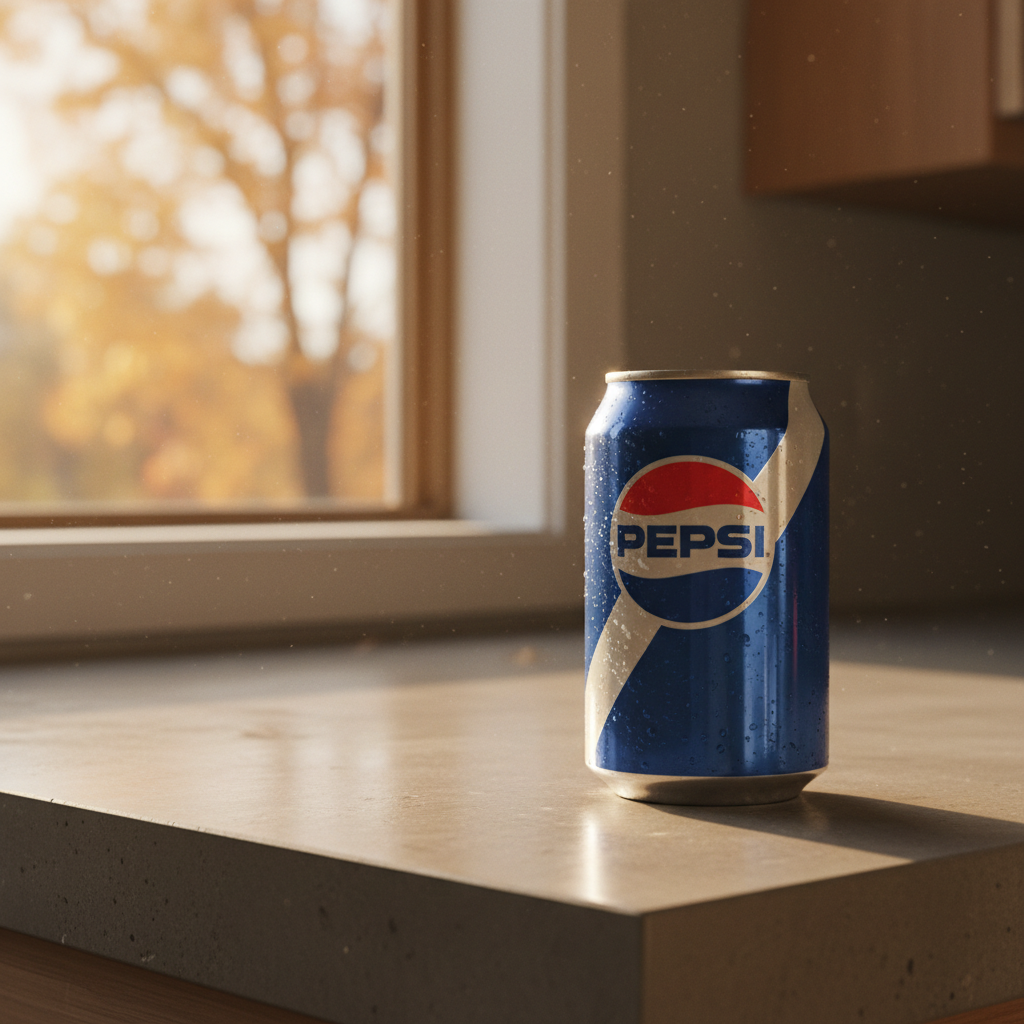
Pepsi has a new look, and depending on who you ask, it is either an absolute marketing disaster or a stroke of pure viral genius. The beverage giant’s autumn 2026 campaign has split the industry right down the middle, leaving critics scratching their heads while teenagers run wild with it online.
The Nostalgia Trap
Launched in early September, the campaign leans hard into late-1990s aesthetics. It features blurry VHS tracking lines, bright color-blocked windbreakers, and synth-heavy jingles that sound like they were pulled directly from an old cassette tape. The television spots feel deliberately cheap. They are loud, saturated, and proudly corny.
For many industry veterans, the aesthetic is a hard sell. Media analysts have been quick to point out the bizarre styling choices, with some calling the effort lazy. “It is delightfully hokey,” says Helen Vance, a senior media analyst at Peak Consumer Insights. “It feels like they dug up an unused storyboard from 1994, threw some neon paint on it, and hoped for the best. It lacks the polish you expect from a brand of this scale.”
But Pepsi did not design this campaign for the boardroom. They designed it for the screen in your pocket.
Gen Z Drives the Viral Hype
While marketing directors debate the artistic merit of fuzzy television filters, younger consumers are busy making the brand go viral. On TikTok, the hashtag #RetroPepsi has racked up over 450 million views in less than three weeks. Young creators are not just watching the ads; they are actively recreating them.
The viral trend started when users began mocking the overly dramatic acting in the commercials. Within days, that mockery transformed into a genuine subculture. Now, TikTok is flooded with teenagers dressed in thrifted overalls, lip-syncing to Pepsi’s cheesy nineties-style jingle and showing off vintage cans.

To accompany the digital push, Pepsi released a limited run of vintage cans featuring the iconic red, white, and blue globe logo from the mid-1990s. These cans, which hit shelves in select metropolitan areas, became instant collector’s items. Resellers are already listing empty six-pack cardboard boxes on eBay for three times their retail value. It is a level of consumer engagement that most brand managers can only dream of.
Why does it work? Analysts say it comes down to a deep appreciation for irony. Gen Z has a well-documented obsession with the pre-digital era, a time most of them were too young to actually experience. They do not care if the ads are silly. In fact, the sillier, the better.
- Over 450 million views on TikTok in under a month.
- Limited-edition retro cans selling out in major metro areas.
- Thousands of user-generated videos recreating the 1990s aesthetic.
An Unconventional Playbook
This is not the first time a major brand has gambled on irony, but the scale of Pepsi’s rollout makes it unique. Instead of running a traditional, polished autumn campaign centered on cozy seasonal themes, the company leaned into pure, unadulterated camp. It was a risky bet that appears to be paying off where it matters most: cultural relevance.
“Traditional advertising rules do not apply to younger buyers,” notes Marcus Thorne, an independent brand strategist. “They are highly skeptical of polished corporate messaging. When a brand shows up looking intentionally messy and ridiculous, it breaks through the noise. It feels authentic, even if it is completely manufactured.”
Pepsi’s internal marketing team seems thrilled with the chaos. In a brief statement, the company noted that the campaign was designed to “bring back the simple, unpolished joy” of late-twentieth-century television. They also hinted at more retro rollouts as the holiday season approaches.
What Comes Next?
Whether this viral moment translates into long-term sales remains to be seen. Nostalgia is a powerful hook, but it can burn out quickly. For now, Pepsi is riding a wave of free, user-generated promotion that money simply cannot buy.
As competitors prepare their sleek, high-budget winter campaigns, they will undoubtedly be watching Pepsi’s metrics closely. In a world where a shaky, five-second smartphone video can outperform a million-dollar commercial, the future of marketing might look a lot more like the past.