
The Austin Shadowplay: Chasing Titles While Bracing for Chaos
COTA is ready to roar this weekend. The United States Grand Prix always brings a massive crowd, celebrity-filled grid walks, and crucial championship points. But step into the paddock, and the conversation quickly drifts from the bumpy Austin asphalt to a looming storm. Formula 1 is on the brink of its most radical regulatory shakeup in a generation, and the anxiety is palpable.
The 2026 season will introduce entirely new power units and active aerodynamics. It is a blank-slate reboot. For the teams currently fighting for every tenth of a second in the standings, this transition is a logistical nightmare. They have to win today while inventing tomorrow, all under a strict cost cap that punishes any wasted penny.
The Nightmare of Active Aerodynamics
The biggest headache right now is not just the engines, but how the cars will slice through the air. To compensate for a drop in internal combustion power, the 2026 chassis rules mandate active aerodynamics. The front and rear wings will actively shift angles depending on where the car is on the track.
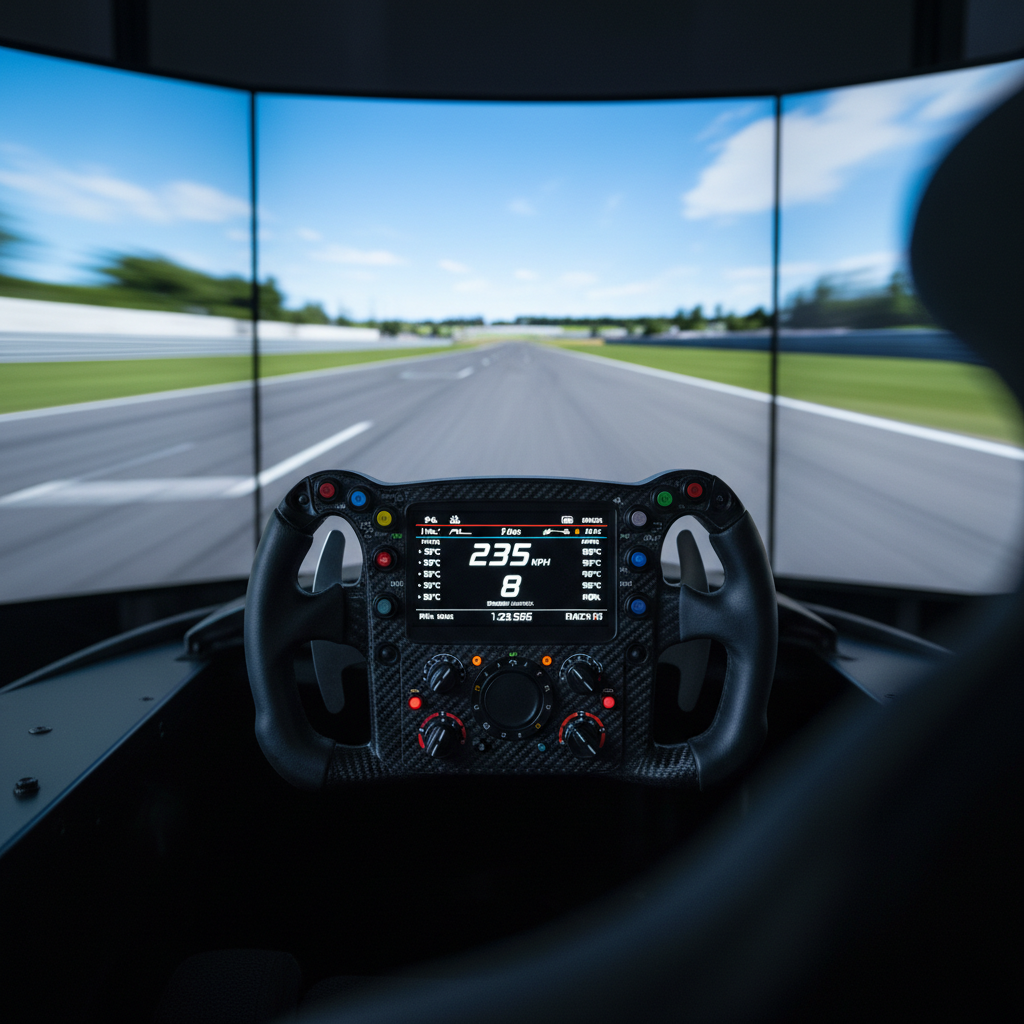
It sounds great on paper. In practice, early simulator runs terrified drivers. When the moveable wings shifted to their low-drag mode on straights, the sudden shift in aerodynamic balance caused some digital test cars to spin out completely. The FIA had to quickly tweak the draft regulations to ensure the front wing adjusted in tandem with the rear wing to keep the cars stable.
- Low-drag mode: Designed for high straight-line speeds.
- High-downforce setting: Essential for cornering stability.
- The challenge: Preventing sudden, unpredictable aerodynamic stalls at 200 mph.
Engineers are working overtime to master these transitions. One paddock insider admitted off the record that if the software fails or a wing flap jams open at the wrong moment, the consequences could be catastrophic. It is a safety worry as much as a performance one.
The 50/50 Power Struggle
Under the hood, the changes are just as daunting. The complex and expensive MGU-H is gone. In its place, the electrical portion of the hybrid system is getting a massive upgrade. The MGU-K, which recovers kinetic energy under braking, will triple its power output to 350kW.
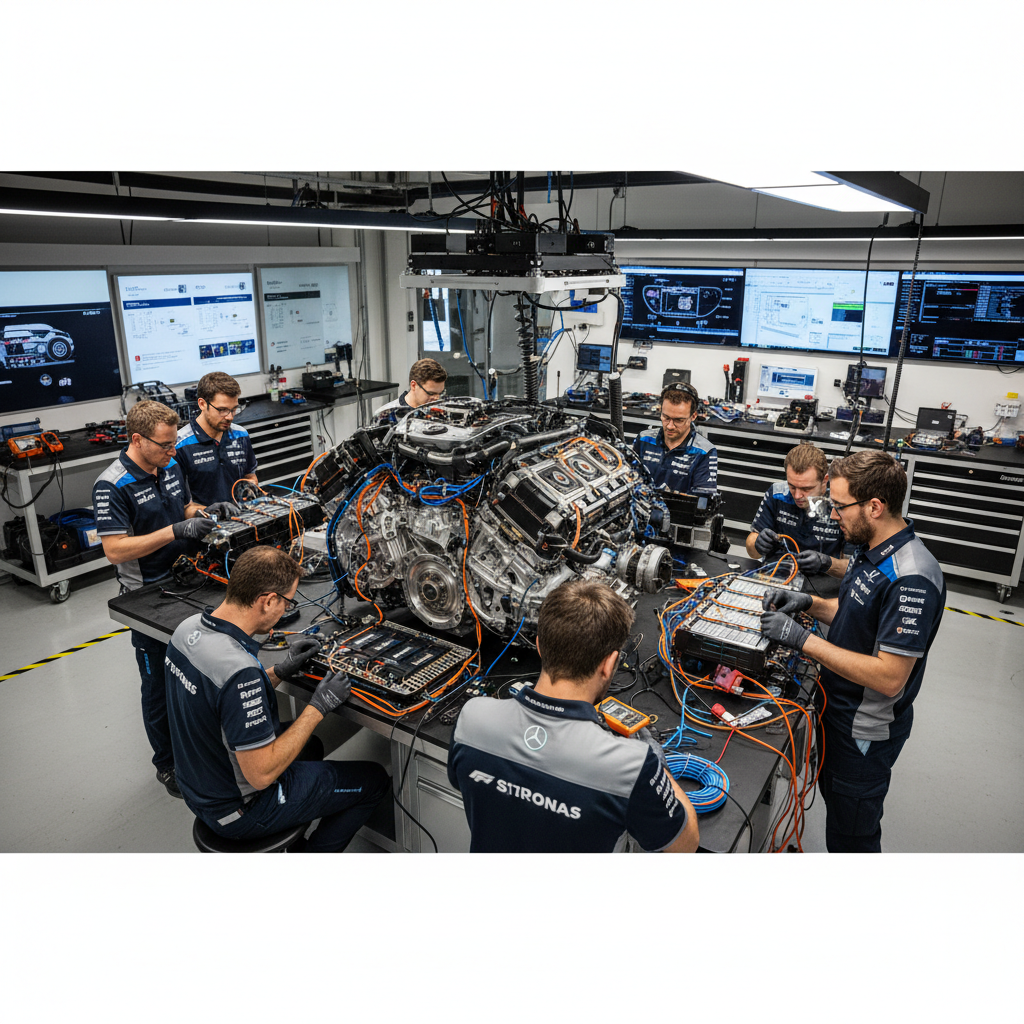
This creates an almost equal split between the V6 engine and electrical power. The catch? F1 cars will need to harvest immense amounts of energy just to keep the battery charged. If a driver runs out of electrical deployment on a long straight, the car will suddenly lose hundreds of horsepower. Insiders call this sudden power drop derating.
This has triggered a frantic arms race among engine manufacturers. Red Bull has partnered with Ford to build its first-ever in-house engine. Audi is taking over Sauber to enter as a full works team. Honda is moving its expertise to Aston Martin. Meanwhile, established giants like Ferrari and Mercedes are scrambling to ensure their thermal efficiency and battery software are flawless. Nobody wants to be the manufacturer that gets left behind when the music stops.
The Resource Balancing Act
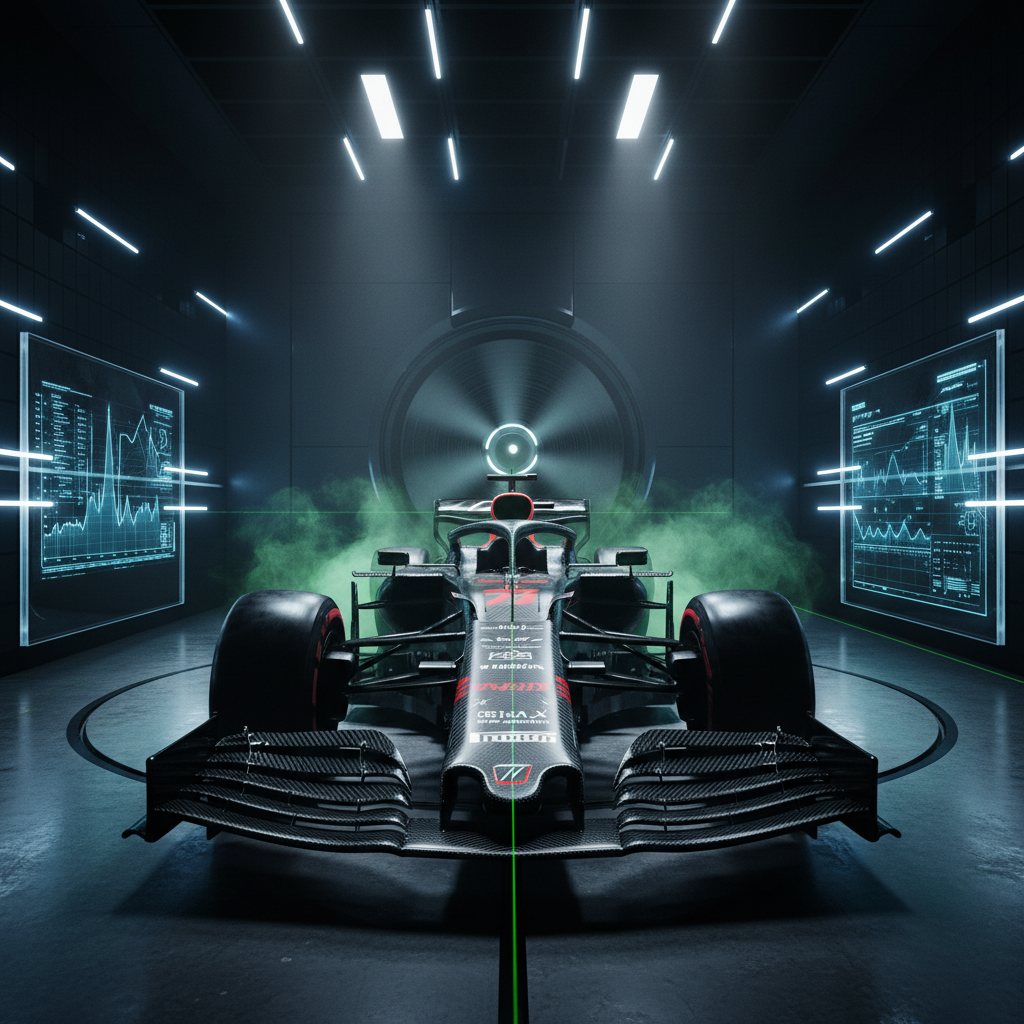
This brings us back to COTA. Right now, McLaren is hunting down Red Bull. Max Verstappen is fighting to keep Lando Norris at bay. Every single upgrade brought to Austin could decide the current championship. But every hour spent in the wind tunnel on a current front wing is an hour not spent on the 2026 car.
Drivers are worried too. Lewis Hamilton and Max Verstappen have both expressed cautious skepticism about how these heavy, complex machines will handle. A heavier battery means more weight, and drivers have spent years complaining that modern F1 cars already feel like yachts in slow corners. The new rules aim to trim the car size down, but the heavy electrical components make weight saving an uphill battle.
Teams are forced to run parallel development programs. Under the budget cap of roughly $135 million, this is nearly impossible. Junior designers are being shifted to the 2026 project, while senior aerodynamicists try to squeeze the last drops of performance out of the current ground-effect cars. Get this balance wrong, and a team could spend the next five years at the back of the grid. As the lights go out in Austin, the real race is happening in wind tunnels and on supercomputers across the globe.