

The Dry September Shift
Before the 2026 ICC Women’s T20 World Cup began, pundits talked up England’s green pitches. Fast bowlers licked their lips, expecting swing and seam under gray British skies. But by the time the tournament reached its business end in September, the script had flipped entirely. A late-summer heatwave dried out the squares in Bristol, Southampton, and Lord’s, turning the knockout rounds into a tactical chessboard ruled not by pace, but by the subtle, agonizing art of spin.
Mastering the Lord’s Slope
Nowhere was this more obvious than the final at Lord’s. Facing a formidable Australian lineup, England’s spinners didn’t just look for big turn. They played with angles. Sophie Ecclestone, the world’s top-ranked T20 bowler, used the unique Lord’s slope with surgical precision. Instead of trying to rip the ball sideways, she adjusted her release point, letting the natural 2.5-degree decline do the work.
Ecclestone finished her four overs with crucial figures of 3 for 14. Her big breakthrough came in the 14th over when she dismissed Ellyse Perry. It wasn’t a classic left-arm spinner’s delivery. Instead, she pushed it wider on the crease, undercutting the ball to make it slide on. Perry, expecting the turn, played inside the line and lost her off-stump. It was a masterpiece in micro-adjustments.
Pace Variation: The New Currency of T20 Spin
But the real story of the knockout stages was the sheer variety of speeds. In the first semi-final between India and Australia at Bristol, Deepti Sharma showed how slow is the new fast. On a wearing surface, Sharma dragged her average speed down to just 68 km/h, nearly 10 km/h slower than her usual trajectory. This forced the Australian batters to generate all their own power on a pitch that offered zero bounce.
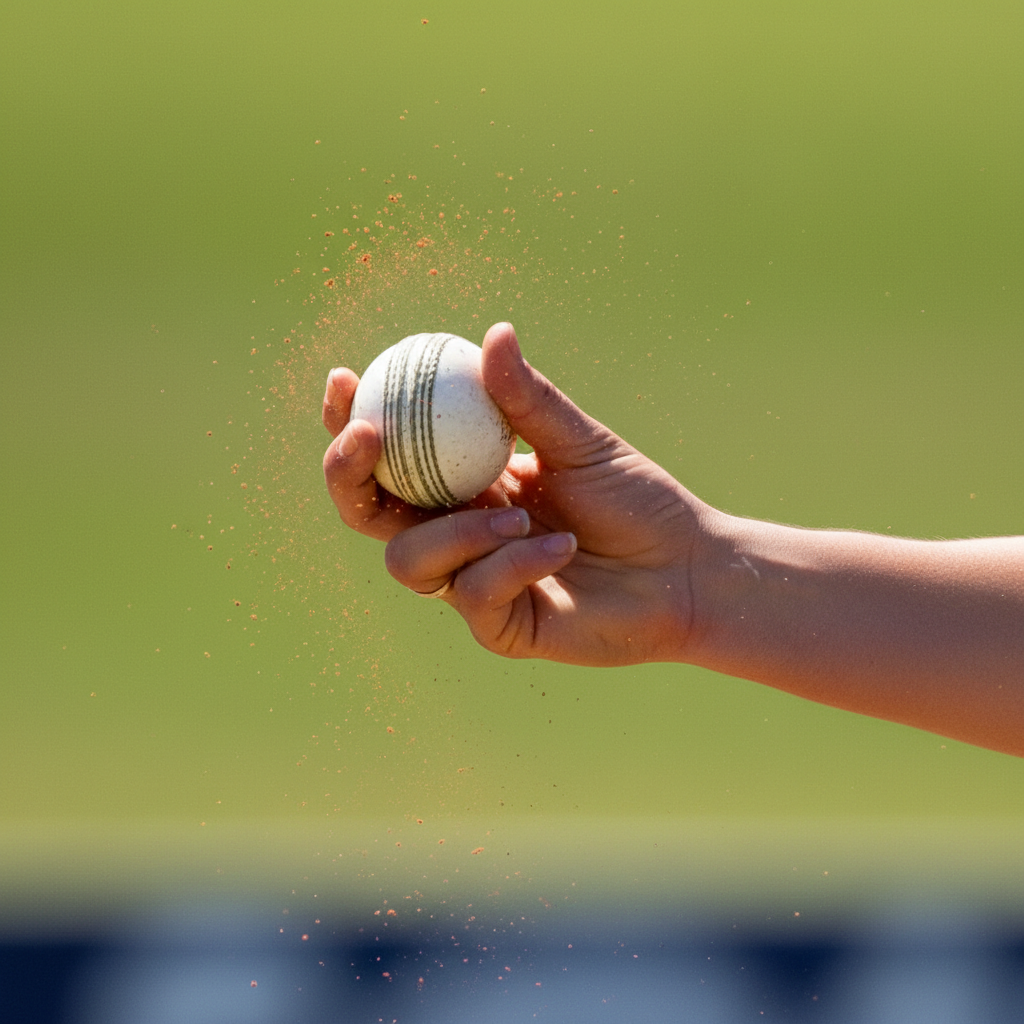
Australia’s chase sputtered as a result. “We couldn’t get under the ball,” Australian captain Alyssa Healy admitted after the match. “When Deepti slows it down that much, you have to commit to coming down the track, but she kept changing her release height. It’s incredibly hard to read.”
The Off-Season Lab
These tactical shifts didn’t happen overnight. Behind the scenes, analysts and spin coaches have been using high-speed cameras to track seam rotation. England’s coaching staff spent the winter tracking how different soil types in the UK react to varying degrees of overspin. Players spent hours tweaking the tilt of their wrist by just five degrees to find the perfect angle for the English climate. It proved that modern spin bowling is as much a science lab experiment as it is an athletic feat.
The Rise of the Overspinner
For Australia, their defense relied on leg-spinner Georgia Wareham. While others focused on sideways drift, Wareham went for overspin. By getting her fingers over the top of the seam, she generated unexpected bounce on otherwise docile pitches. In the pressure-cooker second semi-final against South Africa, this bounce proved lethal.
She claimed two wickets in three balls, both caught at short mid-wicket off leading edges. The batters simply couldn’t adjust to the ball bouncing two inches higher than expected. It wasn’t about mystery balls or complex hand-flicks. It was pure physics, brilliantly executed under intense pressure.

Why the Crease Was the Key
Throughout the knockouts, the most successful spinners shared one habit: they rarely bowled from the exact same spot on the crease twice. Traditionally, coaches teach bowlers to hit a consistent line and length. Modern T20, however, has rewritten that rulebook.
New Zealand’s Amelia Kerr was another standout, using the depth of the crease to perfection. By bowling from a yard behind the popping crease, she bought herself extra time to deceive batters in the air. This depth variation made it almost impossible for batters to use their feet. The constant shifting of the release point shattered the batters’ trigger movements, leading to a tournament-high percentage of bowled and LBW dismissals in the final three games.
A New Blueprint for the Women’s Game
The 2026 tournament marks a permanent shift in how teams approach T20 cricket in the UK. Spin is no longer just a defensive tool to dry up runs in the middle overs. It has become a premier attacking weapon, capable of dismantling the world’s best batting lineups on any surface.
As teams head home, the lesson is clear. The future of short-form bowling belongs to those who can control the micro-variables—the release angle, the seam position, and the subtle shifts in speed. For three weeks in England, the slow bowlers showed that in a game dominated by big bats, brains can still beat brawn.