
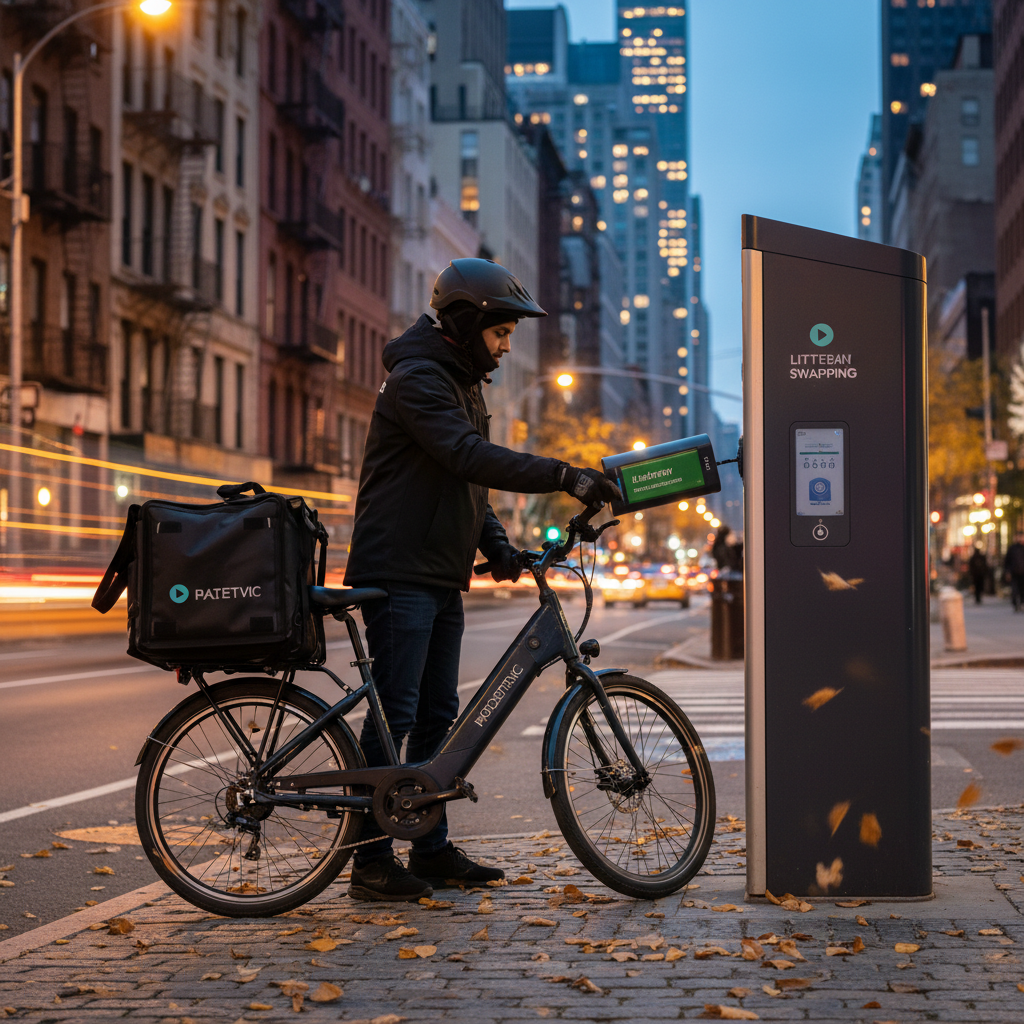
Winter is Coming for Gig Workers
Winter is notoriously brutal on lithium-ion batteries. As temperatures plunge, e-bike ranges shrink by as much as thirty percent. For the army of food delivery couriers in New York and London, this seasonal drop-off is more than an inconvenience. It is a direct threat to their livelihood. In past years, riders solved the range problem by buying cheap, uncertified spare batteries online. Not this year.
A coordinated autumn crackdown by city regulators and fire departments is shutting down the grey market for bootleg batteries. Facing heavy fines and potential bans, major delivery platforms are racing to transition riders to certified, commercial-grade battery-swapping networks before the first freeze hits. The pressure is on. The transition is happening in weeks, not months.
The Double-Pronged Transatlantic Crackdown
In New York, the Department of Consumer and Worker Protection, alongside the FDNY, has intensified inspections of bike shops and charging hubs. It is a matter of life and safety. City officials passed Local Law 39, which bans the sale, lease, or rental of e-bikes and batteries that do not meet strict UL 2849 safety standards. Violators face fines starting at one thousand dollars. But the real target is the underground charging dens where couriers plug in multiple uncertified batteries at once.
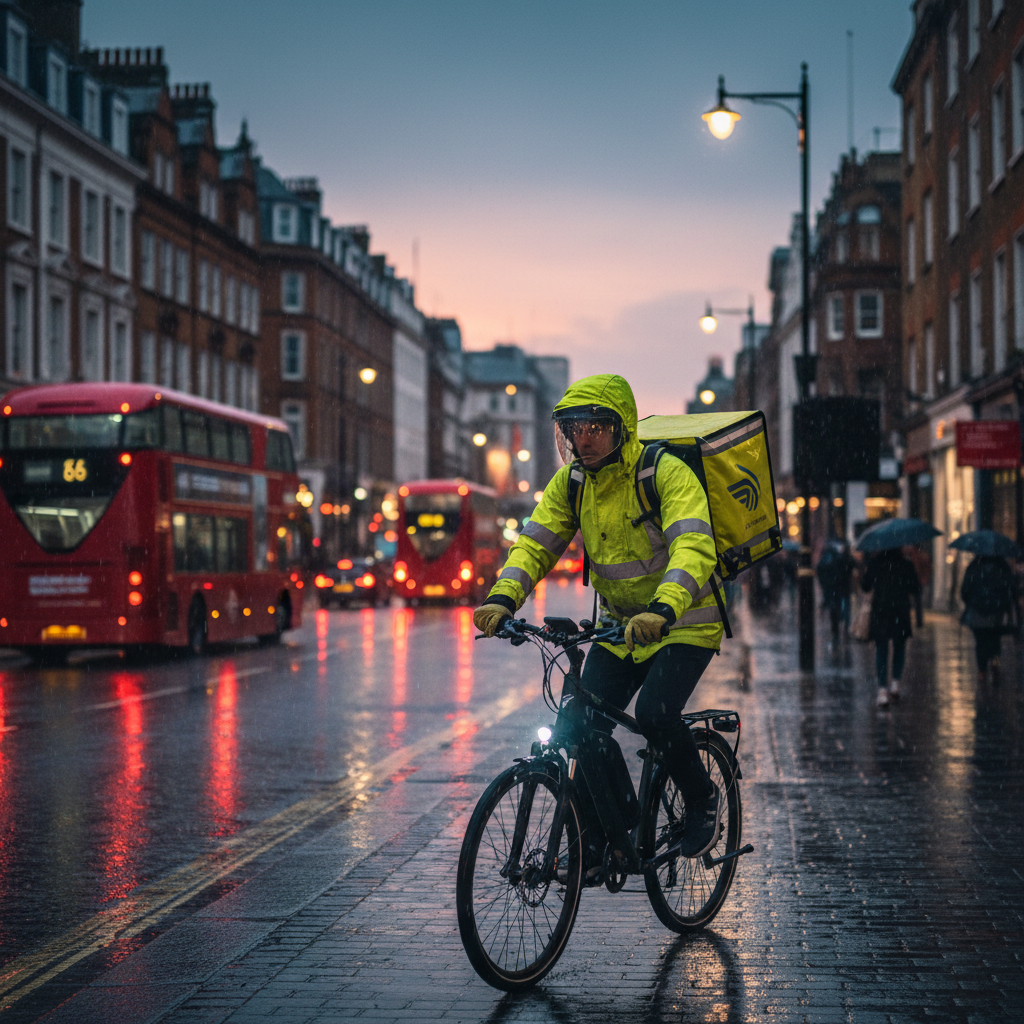
Across the Atlantic, London is fighting the exact same battle. The London Fire Brigade has labeled e-bike fires as the city’s fastest-growing fire trend. This autumn, British safety regulators launched a sweeping campaign targeting online marketplaces that sell cheap, unapproved chargers and conversion kits. With winter approaching, the fear of indoor charging fires in cramped apartments has reached a tipping point. Authorities are not playing around anymore.
Why Winter Multiplies the Danger
The physics of cold weather make a bad situation worse. Lithium-ion batteries do not like the cold. To compensate for lost range, couriers must charge their devices more frequently. This often means bringing cold batteries inside warm apartments and plugging them into cheap chargers. It is a recipe for disaster.
Thermal runaway occurs when a damaged or poorly manufactured battery overheats, triggering a self-sustaining chemical fire that cannot be easily extinguished. In a small apartment, this happens in seconds. The smoke is toxic, and the exit routes are instantly blocked. By forcing a shift to certified equipment, cities hope to prevent these fatal winter tragedies.
The Rise of Swapping Networks
With uncertified batteries being seized and banned, food delivery apps like Uber Eats, Deliveroo, and Just Eat are scrambling for alternatives. They cannot afford to lose their delivery fleets right before the peak winter demand season. The solution is certified battery-swapping networks.
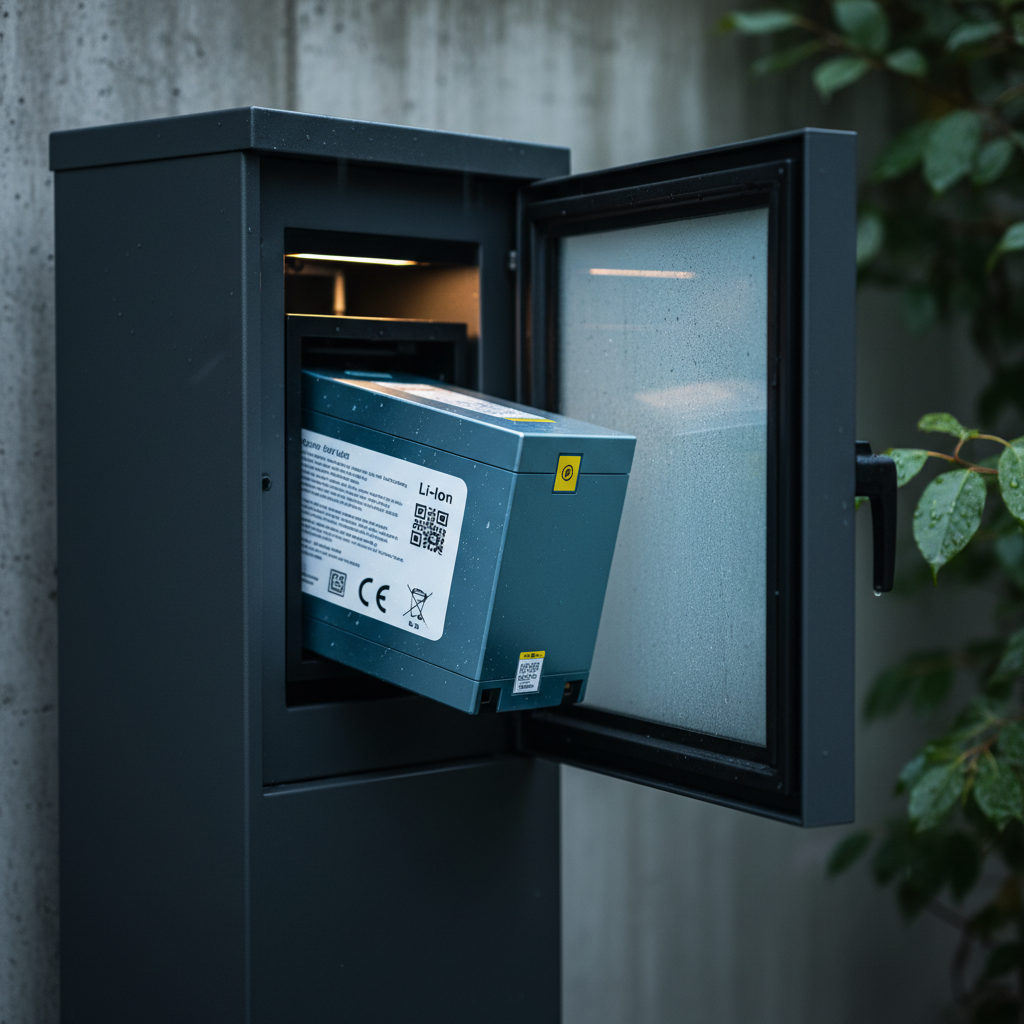
Companies like Zoomo, Swobbee, and Popwheels are rapidly expanding their footprints in both cities. These networks allow riders to pull up to a secure kiosk, slide in their depleted, certified battery, and pull out a fully charged, safe replacement in under a minute. The benefits are clear:
- The kiosks are monitored and kept at optimal temperatures.
- Every battery is certified and regularly tested for wear and tear.
- Riders do not have to charge dangerous equipment in their homes.
- Down-time is reduced to almost zero.
A Race Against the Thermometer
The transition is not without friction. Many gig workers operate on razor-thin margins. A monthly subscription to a battery-swapping service can feel like an extra tax on their hard work. While some delivery platforms are subsidizing these subscriptions, coverage is still uneven. There are also not enough kiosks yet to cover every corner of the outer boroughs in New York or the outer zones of London.
But the alternative is worse. Uncertified chargers are being confiscated, and riders caught using illegal setups face getting deactivated from delivery apps. The era of the cheap, unregulated e-bike battery is ending. Whether the new infrastructure can scale up before the snow starts falling remains to be seen. One thing is certain: fire departments on both sides of the Atlantic are watching closely.