
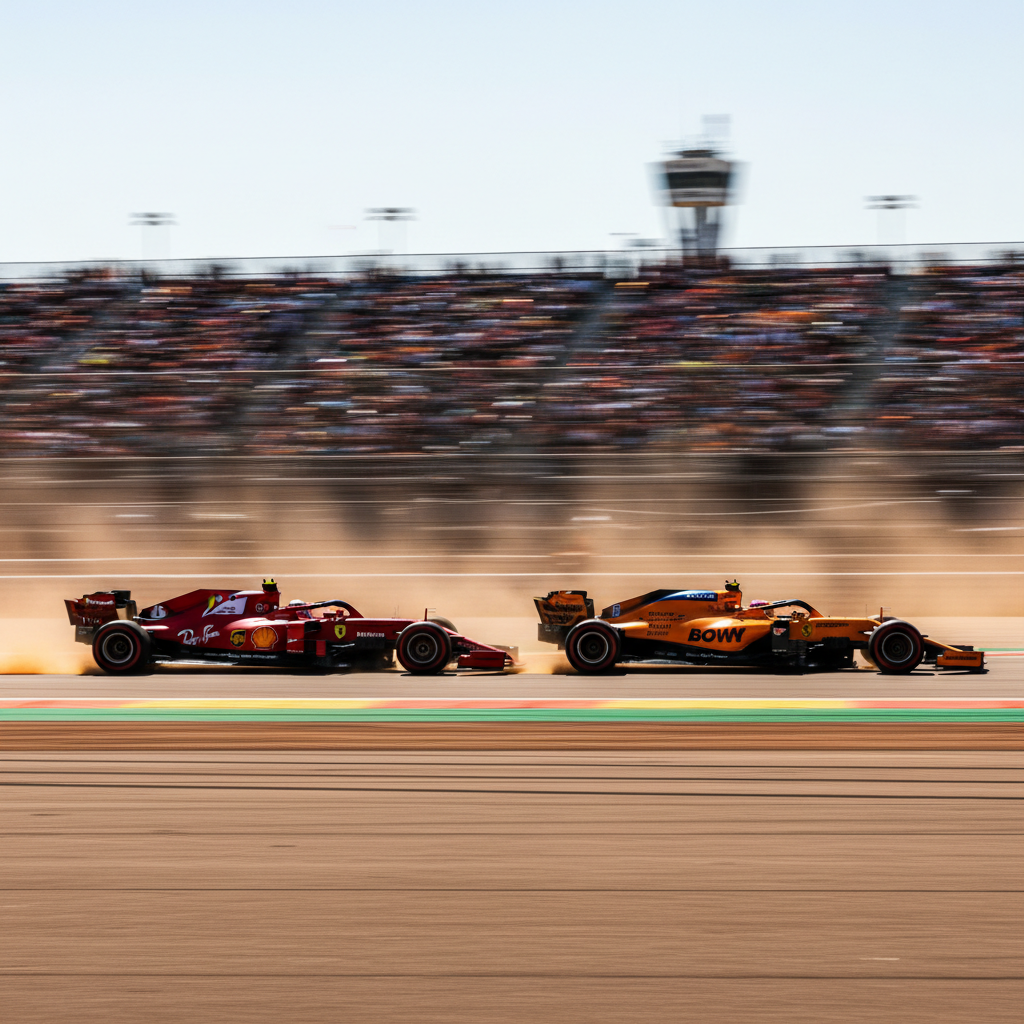
The Texas sun is beating down on the asphalt at the Circuit of the Americas, but the real heat is in the garages. We are deep into the 2026 Formula 1 season. When the FIA drew up these radical new regulations, critics warned of a fractured grid. Instead, we have a three-way title fight that is keeping everyone on edge.
Ferrari, McLaren, and Aston Martin are separated by a handful of points.
This weekend’s United States Grand Prix in Austin is the ultimate pressure cooker. F1’s bold leap into active aerodynamics and hybrid power units has completely rewritten the playbook. The pecking order has dissolved. Red Bull’s long-running dominance is a memory, replaced by a relentless tactical war between three historic brands.
The Active Aero Puzzle at COTA
The biggest talking point in the paddock remains the active aerodynamics. For the first time, cars feature wings that shift on the fly. They switch between high-downforce ‘Z-mode’ for the corners and low-drag ‘X-mode’ for the straights. On a track like COTA, which blends sweeping high-speed bends with a massive back straight, managing this transition is a nightmare.
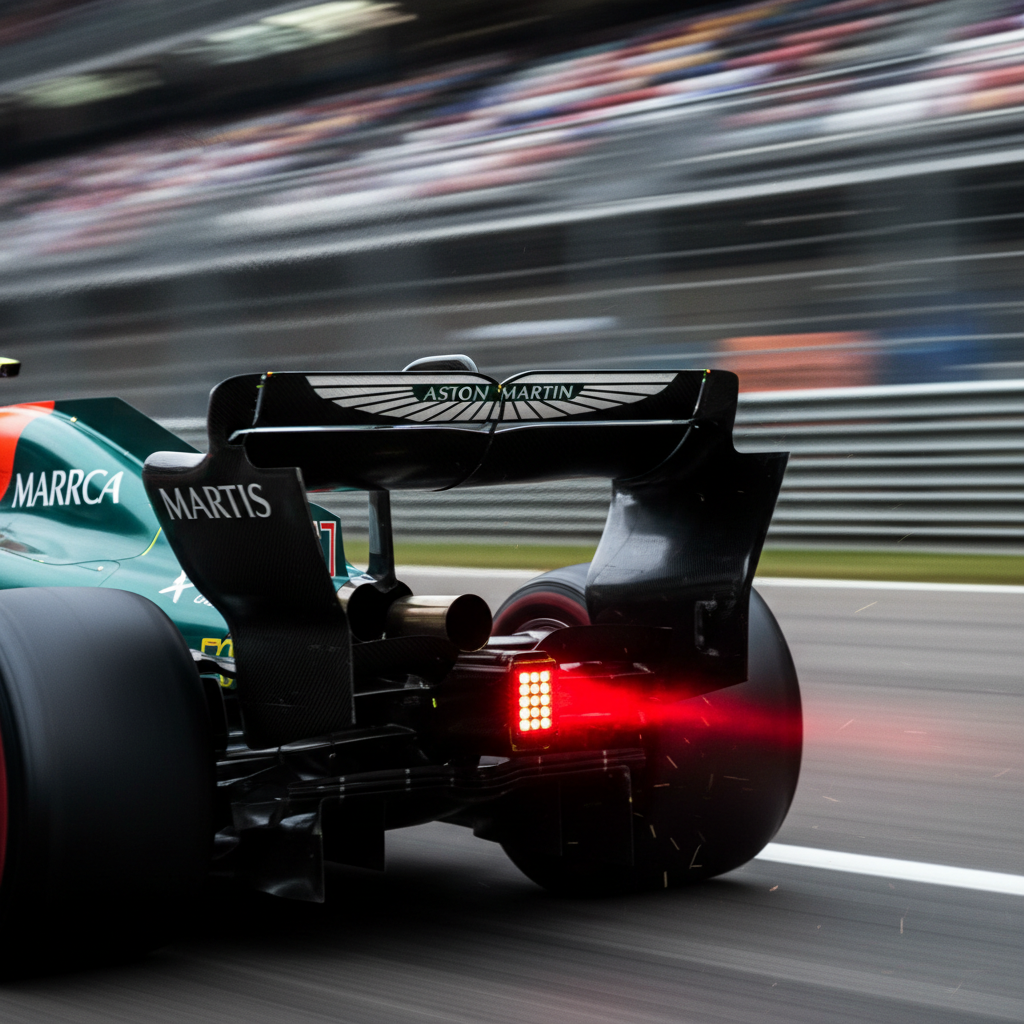
“It feels like driving a transformer,” says McLaren’s Lando Norris. “You turn into a corner expecting one car, and by the time you hit the apex, the aero balance has completely shifted. If the computer gets the timing wrong by a millisecond, you’re in the wall.”
McLaren’s chassis has excelled in the twisty first sector. But Aston Martin, now powered by their bespoke Honda works engines, has been a rocket ship on the straights. Their active aero integration seems to transition smoother than anyone else’s. Meanwhile, Ferrari has relied on raw mechanical grip and a brilliantly packaged suspension to handle Austin’s notorious bumps.
The Battle of the 2026 Power Units
Under the hood, the changes are just as extreme. The complex MGU-H is gone. Now, the power is split almost equally between a 1.6-liter turbocharged engine and a massive 350kW electric motor. This 50/50 energy split has forced drivers to adapt to a completely new way of racing.
Drivers can no longer just keep their foot down. They have to harvest energy aggressively, sometimes creating drag to charge the battery, only to dump that power using the new manual override boost system.

“It is a mental chess game at 200 miles per hour,” explains Ferrari’s Lewis Hamilton. “You aren’t just racing the guy in front. You are constantly calculating when to use your electric deployment. Do you save it to defend, or do you burn it all to make the pass before Turn 12?”
Ferrari’s power unit is rumored to have the best thermal efficiency on the grid, giving Hamilton and teammate Charles Leclerc an edge in the latter halves of stints. But Aston Martin’s partnership with Honda has yielded a hyper-efficient energy recovery system. Fernando Alonso has used this to pull off several late-race charges this season, keeping his title hopes alive at age 45.
Three Teams, One Crown
With only a few races remaining after Austin, the championship is wide open. Team principals are feeling the strain. Key factors defining this three-way struggle include:
- Aerodynamic adaptability: How teams handle the sudden balance shifts of the active wing profiles on COTA’s bumpy surface.
- Energy management: Exploiting the manual override boost at the precise strategic moment.
- Tire preservation: Managing the high degradation caused by the heavy, high-torque hybrid powertrains.
“We are operating on the absolute limit of what these cars can do,” admits Aston Martin team boss Mike Krack. “Every weekend is a leap into the unknown. The simulator can only tell you so much. Out here in the Texas heat, everything changes.”
McLaren’s Andrea Stella remains pragmatic. His team has focused heavily on software optimization, ensuring their active wings deploy flawlessly. “Consistency will win this title,” Stella says. “We don’t need the fastest car in every single session. We need the car that makes the fewest mistakes.”
As the cars line up for Sunday, the grid is tense. The run up the steep hill to Turn 1 is always chaotic, but with active wings flipping and hybrid systems boosting, it promises to be spectacular. The 2026 regulations were designed to shake up the sport. In Austin, they have done exactly that.