

The Breaking Point Has Arrived
European football is running on empty. It is mid-October 2026, and the physical bill for a historic summer has finally come due. Following the expanded, 48-team FIFA World Cup in North America—a 39-day marathon of intense travel and high-altitude matches—players had barely three weeks of rest before reporting back to their clubs. Now, the relentless pace of the revamped UEFA Champions League is pushing elite squads to their absolute limits.
Under the new single-league format, there are no easy group-stage matches. There are no dead rubbers where managers can field academy prospects to give their stars a breather. Every single game impacts the final table, forcing managers to play their best elevens twice a week, week after week. The results are becoming obvious on the pitch, and the medical rooms are overflowing.
The True Cost of a Loaded Calendar
The data paints a grim picture. According to internal medical reports leaked from several top-tier Premier League and La Liga clubs, soft tissue injuries—primarily hamstring, groin, and calf tears—have spiked by 34% compared to the same period in 2023. Players are crossing the 70-game threshold per year with terrifying frequency.
“We are not training anymore,” Manchester City manager Pep Guardiola warned during a recent press conference. “We cannot. If we do a tactical session on the pitch, someone’s leg snaps. We do video analysis, we do massage, we sleep, and we play. That is the entire job now. We are treating human beings like rental cars.”
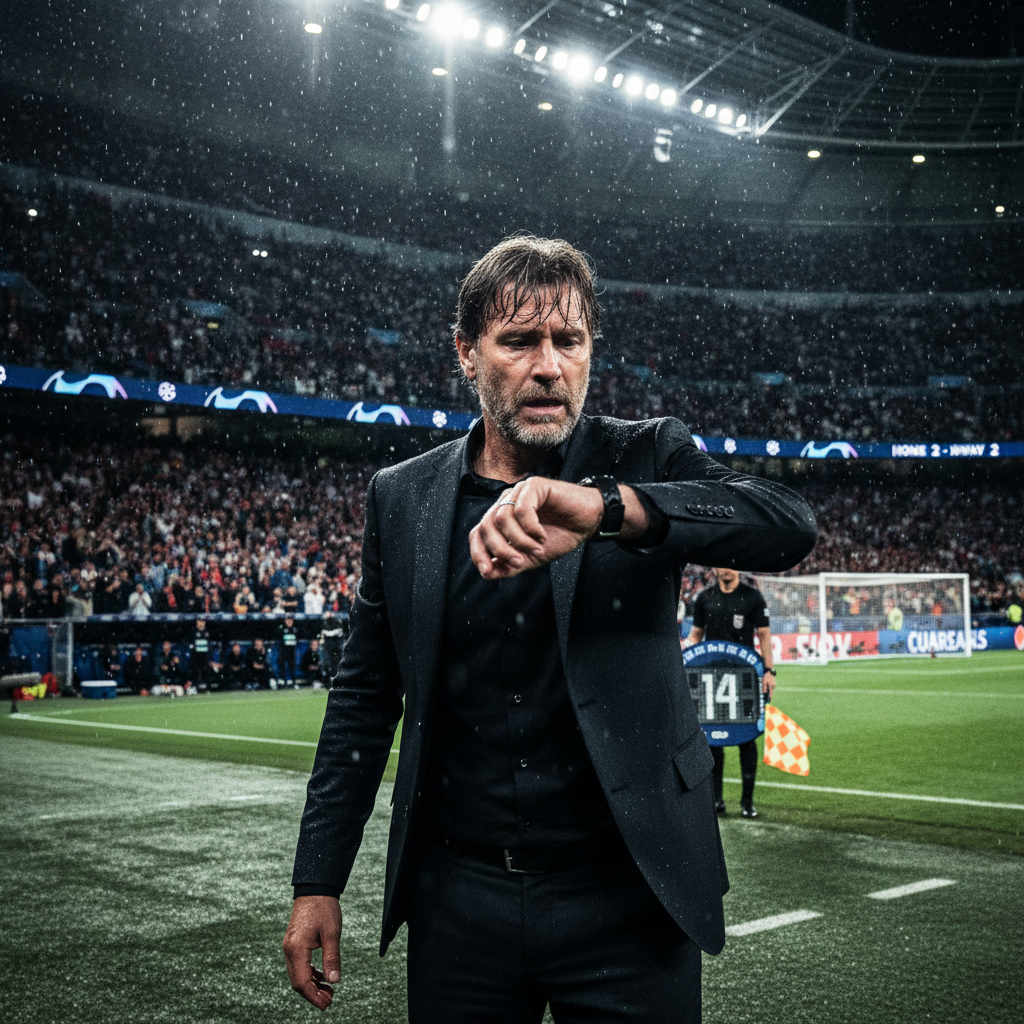
Star players are visibly struggling. Jude Bellingham, Erling Haaland, and Kylian Mbappé have all missed matches this month due to what clubs are politely calling “muscle tightness.” In reality, it is chronic exhaustion. The players’ union, FIFPRO, is escalating its legal battles against FIFA and UEFA, but those court dates will not save a player’s knee in the cold of autumn.
How Clubs are Fighting Back
Faced with a crisis, backroom staff are getting creative. The traditional weekly training cycle is dead. In its place, clubs like Real Madrid and Arsenal are using highly customized recovery programs. Players wear biometric rings and GPS trackers even during sleep to measure heart rate variability. If a player’s central nervous system shows signs of deep fatigue, they are pulled from team training and placed in hyperbaric chambers or cryotherapy tanks.
These strategies are changing how teams play on the pitch, too. The high-pressing, intense counter-pressing tactics that defined the last decade are slowly fading. Managers are realizing their squads simply do not have the lungs for it anymore. Instead, we are seeing a return to more conservative defensive blocks.
Tactical Adjustments on the Pitch:
- Lower defensive lines to minimize long recovery sprints.
- Slower, possession-heavy build-ups designed to kill time and let players rest with the ball.
- Using all five available substitutions by the 60th minute, regardless of the scoreline.
A Lifeline in January?
With the squad depth of even the richest clubs being tested, the upcoming winter transfer window is looking like a desperate survival market. Typically, elite clubs avoid major signings in January due to inflated prices. This winter will be different. Directors of football across Europe are already drawing up shortlists, not for superstars, but for reliable, experienced squad players who can shoulder the load.
If they do not act, the consequences could be severe. The Champions League league phase runs late into January now, leaving no winter break for players to recuperate. The season has become a war of attrition. The clubs that lift trophies in May 2027 will not necessarily be the ones with the most talent, but the ones with the deepest benches and the smartest medical departments.